BA Flight Mayday: Passenger Recounts Terror and Fight for Survival
British Airways passenger Edward Killiwick shares harrowing account of mayday distress call flight that landed safely at Heathrow. Fear and survival instincts revealed.
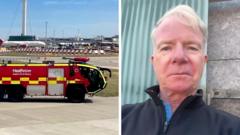
Passenger Describes Harrowing Moments During BA Mayday Flight
A traveler aboard the British Airways mayday flight has provided a detailed account of the terrifying ordeal experienced during the aircraft's emergency descent. Edward Killiwick, who was present during the distressing incident that unfolded earlier this month, has broken his silence about the frightening moments when the BA mayday flight issued its emergency distress signal.
The passenger's testimony offers a rare glimpse into the psychological and emotional impact experienced by those onboard during the critical situation. When the mayday declaration was made, fear gripped the cabin as passengers confronted the possibility of catastrophe while suspended thousands of feet in the air.
Immediate Panic and Desperate Calls for Help
During the most intense moments of the BA mayday flight emergency, Killiwick witnessed passengers expressing their deepest fears aloud. The emotional weight of the situation became apparent when cries of desperation echoed through the cabin, with some travelers voicing their most profound anxieties about survival. The cabin atmosphere transformed from routine transatlantic comfort to raw human vulnerability in seconds.
The distress felt by those aboard was palpable and genuine, with passengers grappling with their mortality as the aircraft encountered serious difficulties. Killiwick's recollection paints a vivid picture of how ordinary travel can transform into an extraordinary test of human resilience and courage during unexpected crises.
Safe Resolution at London's Major Hub
Despite the terrifying circumstances surrounding the British Airways mayday flight incident, the aircraft successfully completed an emergency landing at London Heathrow Airport. The skilled intervention of the flight crew and coordination with ground control ultimately ensured the safe conclusion to what could have been a tragedy.
The professional response demonstrated by aviation personnel on the ground and in the cockpit prevented potential disaster. The mayday protocol—an internationally recognized emergency procedure—functioned exactly as designed, with ground teams prepared and standing ready to receive the aircraft.
Recovery and Reflection Following the Incident
In the aftermath of the BA mayday flight emergency, passengers have had time to process their experiences and reflect on what transpired. Killiwick's willingness to share his account contributes to public understanding of how modern aviation continues to maintain exceptional safety standards even during serious mechanical or technical challenges.
The incident serves as a reminder of the inherent risks associated with air travel, however statistically rare such emergencies have become. Passengers aboard the British Airways mayday flight witnessed firsthand the coordinated response systems that exist to manage aviation crises effectively.
Understanding Aviation Emergency Protocols
The mayday distress call represents the highest level of urgency in aviation communication. When a flight crew determines that circumstances warrant this declaration, it triggers an immediate and comprehensive response from air traffic control and emergency services. The successful outcome of this particular BA mayday flight demonstrates these systems working as intended.
Modern aircraft are engineered with multiple redundant safety systems, and crews undergo extensive training to manage emergency scenarios. The combination of advanced technology, rigorous training, and established protocols ensures that even when serious problems develop, outcomes remain positive in the vast majority of instances.
Passenger Safety: A Priority in Modern Aviation
The experience aboard the British Airways mayday flight highlights how safety remains paramount throughout the aviation industry. From pre-flight inspections to emergency response coordination, every element of modern air travel incorporates multiple safeguards designed to protect human life.
Edward Killiwick's account of the mayday incident provides valuable perspective on how passengers experience these rare situations. His testimony underscores both the reality of aviation emergencies and the effectiveness of established procedures that convert potentially catastrophic situations into managed challenges with safe resolutions.
The safe landing at Heathrow represented the successful culmination of coordinated efforts between flight crew, ground personnel, and emergency responders. This BA mayday flight incident will likely contribute to ongoing discussions about aviation safety, passenger communication during crises, and the continuous improvement of emergency response protocols.