Cyclosporiasis Outbreak Shows Signs of Slowing
Test-maker reports declining positivity rates in cyclosporiasis outbreak affecting over 18,000 cases. CDC investigates lettuce link across nine states.
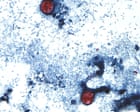
Cyclosporiasis Outbreak Trajectory Changes
A significant cyclosporiasis outbreak affecting the United States has potentially reached an inflection point, according to preliminary data released by a major laboratory testing manufacturer. The emergence of this parasitic infection, caused by a microscopic single-celled organism, has escalated into what public health authorities are characterizing as an unprecedented public health emergency, with documented cases surpassing 18,000 individuals by late July. The cyclosporiasis outbreak represents the largest recorded incident of this type in American history, prompting widespread concern among health officials and the general population alike.
Testing Data Reveals Positive Developments
The laboratory testing company's recent analysis suggests that the rate of positive test results for this parasitic infection may be declining, offering a glimmer of hope amid an otherwise alarming health crisis. However, researchers and epidemiologists have issued important caveats regarding the interpretation of these findings. The decrease in positivity rates could be partially attributed to fluctuations in the number of individuals seeking tests rather than a genuine reduction in infection transmission. This distinction carries significant implications for public health decision-making and the allocation of resources to combat the continuing threat.
Geographic Concentration in the Midwest
The regional impact of the cyclosporiasis outbreak has been particularly severe in America's Midwest. Public health investigators have documented concentrated clusters of infections spanning multiple states, with nine states showing epidemiological connections suggesting a common source. The geographic pattern of disease transmission has enabled researchers to identify a specific link between contaminated food products and widespread infection.
Iceberg Lettuce and Source Identification
Investigators have established a crucial connection between the parasite infection cases and iceberg lettuce products originating from Taylor Farms' agricultural operations in Mexico. This determination has been instrumental in understanding the mechanism of transmission and guiding public health recommendations. The contaminated produce traveled through commercial supply chains, reaching consumers across multiple states before the connection was identified. The involvement of a major agricultural supplier has raised questions about food safety protocols and international agricultural oversight.
CDC Investigation and Interstate Response
The Centers for Disease Control and Prevention has taken the lead in coordinating the investigation into this massive public health event. Federal epidemiologists have confirmed epidemiological links among cases across at least nine states, establishing the multi-state nature of the outbreak and the necessity for coordinated interstate response efforts. The CDC's active surveillance has been critical in tracking the spread of this parasitic infection and implementing measures to prevent further transmission.
Public Health Implications and Future Monitoring
The potential slowing of the cyclosporiasis outbreak does not signal an end to vigilance or public health concern. Testing manufacturers and health officials remain committed to continuous monitoring of positivity trends. The mechanisms underlying any observed decrease in case numbers require careful analysis to distinguish between genuine reduction in transmission and changes in testing patterns. This distinction will influence strategies for ongoing public health response and resource allocation.
Consumer Safety Recommendations
Public health authorities continue to advise consumers regarding food safety practices and awareness of cyclosporiasis symptoms. Individuals should remain vigilant about the origin and handling of fresh produce, particularly leafy vegetables. Healthcare providers have been advised to maintain heightened suspicion for cyclosporiasis among patients presenting with gastrointestinal symptoms in affected regions.