England Faces Unprecedented Drought Crisis Affecting Over Half the Nation
More than 50% of England declared in drought by Environment Agency due to extreme heat and dry conditions. Devastating impact on rivers, agriculture and wildlife ecosystems.
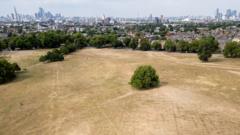
England Drought Crisis: Over Half Nation Declared in Emergency Status
The Environment Agency has officially declared that more than half of England is now experiencing a severe drought crisis, marking a critical moment for the nation's water management and environmental sustainability. This unprecedented England drought crisis represents one of the most significant water shortages in recent years, following an exceptionally prolonged period of extreme heat and minimal rainfall that has systematically drained vital water resources across the country.
Causes Behind the Severe Drought Conditions
The current drought situation stems from an extraordinarily hot and dry seasonal pattern that has persisted over several months. During this extended period, rainfall measurements have fallen dramatically below historical averages, while temperatures have soared to record-breaking levels across multiple regions. This combination of intense heat and scarce precipitation has created ideal conditions for rapid depletion of groundwater reserves, surface water sources, and soil moisture levels that communities and industries depend upon for essential operations.
Environmental scientists and hydrologists have attributed much of this phenomenon to broader climate patterns that have stalled weather systems over the British Isles, preventing the typical precipitation events that would normally replenish water supplies throughout the year. The persistence of high-pressure systems has blocked Atlantic weather fronts from delivering their expected rainfall contribution, leaving reservoirs and aquifers increasingly depleted.
Impact on Rivers and Water Systems
The England drought crisis has created severe challenges for the nation's river ecosystems. Major waterways have experienced dramatically reduced flow rates, with some rivers reaching dangerously low levels that threaten the survival of fish populations and aquatic habitats. These reduced water flows have cascading effects throughout ecological chains, disrupting breeding cycles, reducing available oxygen in water bodies, and concentrating pollutants to potentially harmful levels.
Environmental agencies have documented concerning declines in water levels at critical monitoring stations throughout England. Rivers that typically maintain consistent flow patterns have become intermittent, with stretches drying up completely in certain regions. This situation presents unprecedented challenges for water-dependent wildlife and creates urgent conservation concerns that experts say could take years to fully remediate.
Agricultural Consequences and Crop Production
Farmers across England face substantial challenges as the England drought crisis extends across agricultural regions. Crop irrigation demands have skyrocketed, straining existing water allocation systems and increasing operational costs significantly. Many agricultural areas have experienced reduced yields due to inadequate soil moisture, forcing farmers to make difficult decisions about resource allocation and potential crop losses.
Pasture conditions have deteriorated markedly, affecting livestock farming operations and creating additional pressures on animal welfare. Feed suppliers report unprecedented demand as farmers struggle to maintain adequate nutrition for cattle herds without access to sufficient grazing land. The cumulative economic impact on the agricultural sector threatens food security and rural economies that depend heavily on consistent crop and livestock production.
Environmental and Ecological Damage Assessment
Beyond agricultural and human consumption impacts, the England drought crisis has triggered serious environmental consequences affecting natural ecosystems nationwide. Wildlife species that depend on consistent water availability face extreme stress, with some populations experiencing significant mortality rates. Birds, amphibians, and insects have seen reduced breeding success as water sources disappear and food chains collapse due to habitat degradation.
Conservation organizations have raised alarm about endangered species particularly vulnerable to prolonged drought conditions. Wetland habitats that support irreplaceable biodiversity have shrunk dramatically, potentially causing permanent loss of specific ecosystems and the species they harbor. Botanical species requiring consistent moisture availability are experiencing severe stress, with long-term population viability remaining uncertain.
Government and Environmental Agency Response Measures
The Environment Agency's formal declaration of the England drought crisis has prompted implementation of various mitigation strategies and restrictions. Water authorities have introduced enhanced demand management protocols, asking businesses and residents to voluntarily reduce consumption levels. Some regions have implemented more restrictive measures, including temporary hosepipe bans and irrigation limitations to preserve essential water supplies.
Water companies have accelerated emergency plans to boost supply capacities, including activation of backup sources and temporary infrastructure arrangements. Investment in emergency water transfer systems between regions has been prioritized to address most critical shortages. Public communication campaigns emphasize conservation importance and personal responsibility for water usage reduction.
Long-Term Outlook and Climate Considerations
Meteorological forecasts provide limited optimism for near-term precipitation increases, suggesting the England drought crisis may persist for additional months. Climate scientists warn that such severe drought events may become increasingly frequent without significant environmental policy changes addressing climate change drivers. This perspective has accelerated discussions about long-term water infrastructure investment and sustainable management practices.
The current situation underscores vulnerabilities in national water security infrastructure and highlights urgent needs for comprehensive drought resilience strategies. Planning authorities are reevaluating land use policies and infrastructure development to incorporate climate change projections and water availability constraints into future decision-making processes.