Labour Wins Greater Manchester Mayoralty Byelection
Labour achieves decisive victory in Greater Manchester mayoral byelection. Bev Craig succeeds Andy Burnham, reclaiming areas lost to Reform UK.
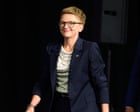
Labour Secures Commanding Victory in Greater Manchester Mayoral Contest
The Greater Manchester mayoral byelection has delivered a resounding triumph for Labour, with the party successfully reclaiming electoral territory that had shifted toward rival political movements in recent months. This decisive outcome marks a significant moment in northwest England's political landscape, as Labour consolidates its position in one of the country's most influential metropolitan authorities.
Bev Craig, who currently leads Manchester city council, has emerged as the victor in this closely watched byelection. Her success means she will now assume the mantle of Greater Manchester mayor, following the departure of Andy Burnham. This transition places Craig in command of one of Britain's most consequential political positions outside the Houses of Parliament, granting her substantial authority over regional policy, economic development, and strategic planning affecting millions of residents across the conurbation.
Recovery of Lost Ground to Reform and Green Challengers
The Greater Manchester mayoral byelection results demonstrate Labour's capacity to win back support in constituencies where Reform UK and the Green Party had made notable inroads during the May elections. These reclaimed areas represent crucial demographic and geographic zones within the metropolitan borough, where voter sentiment had previously shifted away from traditional Labour strongholds.
Reform UK's earlier successes in parts of Greater Manchester had prompted considerable political analysis about potential shifts in voter allegiance. However, this byelection result indicates that Labour has successfully addressed concerns and reconnected with communities that had temporarily embraced alternative political options. The party's recovery in these regions suggests effective campaign messaging and successful mobilization of its grassroots support networks.
Strategic Importance of the Mayoral Position
The office of Greater Manchester mayor carries extensive responsibilities and influence. The successful candidate gains authority over transportation infrastructure, economic strategy, housing initiatives, and business development across the region. Andy Burnham's tenure as mayor established the role as increasingly prominent within Labour's national political structure, and Bev Craig's election continues this trajectory of mayoral significance.
Bev Craig's Political Background and Leadership Experience
Craig brings substantial political experience to her new position as Greater Manchester mayor. Her role as Manchester city council leader has provided her with deep knowledge of local governance, constituent services, and municipal administration. Her leadership during her council tenure has encompassed policy decisions affecting education, social services, planning permissions, and community engagement across Manchester's diverse neighborhoods.
Her election to the Greater Manchester mayoral office represents progression from municipal leadership to metropolitan governance. This advancement reflects confidence among voters in her administrative capabilities, strategic vision, and commitment to regional development priorities. The Greater Manchester mayoral byelection outcome validates her leadership approach and suggests public endorsement of her policy platform.
Transition from Andy Burnham's Administration
Andy Burnham's departure from the Greater Manchester mayoral role marks the end of a significant era in the region's recent political history. Burnham had elevated the profile of the position and championed various initiatives addressing regional inequality, public health challenges, and economic regeneration. The Greater Manchester mayoral byelection and Bev Craig's subsequent victory establish a new chapter in the authority's governance structure.
The transition between Burnham and Craig will involve knowledge transfer regarding ongoing projects, established relationships with central government departments, partnerships with private sector organizations, and administrative procedures. Craig's familiarity with Manchester city council operations should facilitate a relatively smooth handover of responsibilities and continuity of strategic initiatives.
Broader Political Implications for Labour
This Greater Manchester mayoral byelection success carries implications extending beyond the immediate region. It demonstrates Labour's enduring strength in metropolitan areas and validates the party's recovery strategies in constituencies where alternative parties had gained traction. The result provides momentum heading into future electoral contests and reinforces Labour's positioning as the dominant political force in northwest England's urban centers.
The outcome also reflects broader voter attitudes regarding regional governance and Labour's ability to articulate compelling visions for metropolitan development. The Greater Manchester mayoral byelection therefore functions as a barometer of political sentiment within one of England's most economically and culturally significant conurbations.
Looking Forward: Governance and Policy Priorities
As the newly elected Greater Manchester mayor, Bev Craig will face numerous governance challenges and policy priorities requiring immediate attention. Regional economic development, transportation infrastructure modernization, housing affordability, skills and employment initiatives, and public service efficiency will likely occupy prominent positions on her agenda. Her administration's success in addressing these complex issues will significantly impact the region's trajectory over the coming years.
The Greater Manchester mayoral byelection victory provides Craig with a mandate to pursue her outlined policy objectives and lead the metropolitan authority with the backing of electoral support. Her role will involve extensive stakeholder engagement with local councils, business leaders, community organizations, and central government officials to advance shared development goals and maximize resources directed toward regional improvement initiatives.