Mother's Heartbreak: Hospital Mix-Up Led to Baby's Ashes Misidentified
A mother faced devastating news when her baby's ashes were mistakenly identified as animal remains. Read her emotional story and the hospital's response.
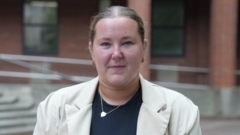
A Mother's Devastating Discovery
Lucy Ness experienced one of life's most profound tragedies when she was informed that her baby's ashes had been misidentified as animal remains by a hospital facility. This shocking revelation came during an already painful grieving process, adding layers of trauma to an already broken heart. The mix-up raised serious questions about hospital protocols and the handling of precious human remains during sensitive moments.
The incident involving the baby's ashes misidentified at the medical facility sent shockwaves through both the family and the institution responsible for the error. Lucy Ness has since become an advocate for better handling procedures and more rigorous verification processes in hospitals nationwide.
The Emotional Impact on the Family
The weight of discovering that her baby's ashes were among materials incorrectly categorized cannot be overstated. Lucy Ness expressed her feelings with raw honesty, stating: "I hope my baby's remains are with someone who loves them like I loved these." This poignant statement reflects the deep maternal bond and the anguish of uncertainty regarding her child's physical remains.
For grieving parents, the ashes of their child represent a tangible connection to their lost loved one. The trauma of learning that these precious remains were misidentified compounds the original loss exponentially. Parents rely on hospitals and medical facilities to handle such delicate matters with utmost care and respect.
Hospital Protocols and Accountability
The hospital's handling of the baby's ashes misidentified situation brought attention to existing gaps in verification procedures. Medical institutions process cremations and manage human remains regularly, yet errors in identification can still occur. This case highlights the critical need for multiple checkpoints and documentation systems to prevent such devastating mistakes.
Hospitals must implement robust tracking systems for remains from initial intake through final delivery to families. The procedures should include photographic documentation, unique identification markers, and cross-verification at multiple stages. When a baby's ashes are involved, the emotional and legal implications of errors are profound.
Questions Raised About Current Systems
Lucy Ness's experience prompted broader questions about how medical facilities categorize and manage remains. The fact that human remains could be confused with animal remains suggests significant systemic failures. Such confusion indicates insufficient separation protocols between different types of materials handled within hospital facilities.
Regulatory bodies now face mounting pressure to establish stricter standards for cremation services and remains identification. The case demonstrates that current practices may be inadequate to prevent tragic mix-ups. Parents deserving closure and respect for their deceased children must have absolute certainty regarding the authenticity and proper handling of remains.
Seeking Resolution and Justice
The family's pursuit of answers continues as they work to locate their baby's actual ashes and hold the responsible parties accountable. Lucy Ness remains determined to ensure her baby's remains are properly identified and that other families are protected from similar ordeals. Her advocacy efforts focus on implementing mandatory reforms in hospital cremation and remains management procedures.
The investigation into how the baby's ashes misidentified situation occurred revealed concerning documentation issues and incomplete verification steps. These findings support the need for legislative action requiring hospitals to maintain detailed records and photographic evidence throughout the entire process.
A Call for Systematic Change
This tragic incident serves as a catalyst for necessary reforms in the funeral and hospital industry. Implementing advanced verification technology, including DNA matching when necessary, could prevent future occurrences. The emotional toll on families affected by such mistakes underscores the importance of treating remains handling as a critical patient and family-centered service.
Lucy Ness's courage in sharing her family's story has resonated with many who have experienced hospital failures. Her hope that her baby's remains are cherished by someone reflects her enduring maternal love despite the circumstances. As hospitals nationwide review their procedures, her case remains a powerful reminder of the human cost of administrative negligence and the necessity for accountability in handling the remains of our most vulnerable loved ones.