Surgeons Remotely Pilot Humanoid Robots in Operating Theater
Surgeons successfully demonstrate remote control of two human-like robots in a cutting-edge operating theater, advancing minimally invasive surgical procedures.
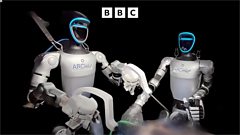
Revolutionary Remote Surgery: Surgeons Control Humanoid Robots in Operating Theater
In a groundbreaking demonstration, surgeons have successfully achieved remote control of two human-like robots positioned within an operating theater, marking a significant milestone in the evolution of remote surgery robots and modern medical technology. This achievement represents a paradigm shift in how surgical procedures can be performed, with physicians directing robotic instruments from a distance while maintaining precise control over critical operations.
The successful operation of remote surgery robots in a clinical environment showcases the potential to revolutionize surgical care delivery. By utilizing humanoid robotic systems, surgeons gain the ability to perform intricate procedures with enhanced precision and reduced physical strain. The robots serve as extensions of the surgeon's hands, translating movements into real-time surgical actions within the operating theater.
The Evolution of Surgical Robotics Technology
Surgical robotics has undergone tremendous development over recent decades. Traditional robotic-assisted surgery systems required the surgeon to be physically present in the operating room, manipulating controls while viewing a monitor. The introduction of remote surgery robots fundamentally changes this paradigm, eliminating geographical constraints and enabling surgeons to operate across vast distances.
The humanoid design of these robots offers distinct advantages over conventional robotic arms. Their human-like structure allows for more intuitive operation, as surgeons can apply their natural motor skills and surgical training directly. The robots interpret the surgeon's movements and replicate them with exceptional accuracy, ensuring that tremors are filtered and motions are optimized for surgical precision.
Implications for Minimally Invasive Surgery
The convergence of remote surgery robots and minimally invasive surgery techniques opens unprecedented possibilities for patient care. Minimally invasive surgery already reduces trauma to tissues, decreases recovery times, and minimizes scarring. When combined with remote robotic control, these benefits are further amplified through enhanced visualization and improved access to complex surgical sites.
Surgeons working with these systems gain superior anatomical visibility through high-definition cameras integrated into the robotic platform. The three-dimensional imaging capability provides depth perception that rivals—and in some cases exceeds—direct surgical visualization, allowing for safer navigation through delicate tissues and vital structures.
Expanding Access to Specialized Surgical Care
One of the most compelling advantages of remote surgery robots is their potential to democratize access to specialized surgical expertise. Patients in remote or underserved regions can potentially receive treatment from world-renowned surgeons without requiring long-distance travel. This telemedicine technology reduces wait times, lowers transportation costs, and ensures that geographic location no longer determines the quality of surgical care available.
The demonstration in the operating theater proves that the technological infrastructure can reliably support complex surgical procedures across distances. Network stability, latency management, and fail-safe mechanisms have been engineered to ensure that remote control remains safe and effective even during intricate maneuvers.
Technical Specifications and Safety Measures
The two humanoid robots employed in this breakthrough are equipped with sophisticated sensors and feedback mechanisms. Force-feedback technology allows surgeons to perceive resistance and tissue compliance through the control interface, providing tactile information essential for surgical decision-making. This sensory integration ensures that remote surgery robots can perform with the same sensitivity as hands-on surgery.
Safety protocols remain paramount in any remote surgical application. Redundant systems prevent communication failures from interrupting procedures. Emergency stop mechanisms can be activated instantaneously, and the robots default to safe positions if connectivity is lost. These safeguards demonstrate that remote surgery robots can operate within established medical safety standards.
Future Perspectives for Surgical Innovation
This successful demonstration of remote surgery robots in an operating theater represents a stepping stone toward broader clinical implementation. As technology continues advancing, we can anticipate expanded applications across various surgical specialties, from cardiothoracic procedures to orthopedic interventions and delicate neurological operations.
The integration of artificial intelligence with remote surgery robots promises to further enhance capabilities. AI systems could provide real-time guidance to surgeons, identify anatomical landmarks, and even assist in predicting tissue responses during complex maneuvers. This synergy between human expertise and machine precision defines the future of surgical innovation.
Conclusion: The Future of Surgical Practice
The successful remote control of humanoid robots in an operating theater demonstrates that the future of surgery is not bound by geography or proximity. Remote surgery robots represent a transformative technology that will reshape how surgical care is delivered globally. As this technology matures and gains clinical acceptance, surgeons worldwide will gain unprecedented capabilities to provide superior patient outcomes, regardless of physical location. The demonstration marks not an endpoint, but rather the beginning of a surgical revolution that will enhance care delivery for generations to come.