Trump Administration Blocks Chinese Humanoid Robot Imports
The Trump administration has implemented new restrictions on Chinese humanoid robots, escalating tech competition. Learn about the ban and its impact on AI development.
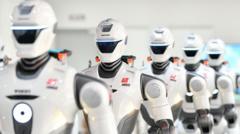
Trump Administration Implements Humanoid Robot Import Restrictions
The Trump administration has announced comprehensive restrictions targeting Chinese humanoid robots, marking a significant escalation in the ongoing technological competition between the United States and China. This policy decision reflects growing concerns over artificial intelligence capabilities and robotics advancement as both nations compete for global technological dominance in the rapidly evolving sector.
The Strategic Competition in Robotics and Artificial Intelligence
The United States and China find themselves engaged in an intensifying race to establish leadership in the world's robotics and artificial intelligence sectors. This competition extends far beyond commercial applications, encompassing national security considerations, economic growth, and technological sovereignty. Chinese humanoid robots have emerged as a focal point in this broader geopolitical struggle, with American policymakers expressing concerns about the pace of Chinese advancement and potential military applications.
Why Humanoid Robots Matter
Humanoid robots represent a frontier technology with applications spanning manufacturing, healthcare, logistics, and defense. These machines, designed to mimic human form and movement, offer unprecedented flexibility in tasks that traditionally required human workers. The sophistication of Chinese humanoid robot development has attracted international attention, prompting Western nations to reassess their technology transfer policies and import regulations.
The Trump Administration's Strategic Response
The newly announced restrictions aim to prevent the importation of advanced Chinese humanoid robots and related technologies. This move aligns with the administration's broader strategy to protect American technological interests and maintain competitive advantages in critical sectors. The humanoid robot ban represents a continuation of existing trade policies designed to limit technology sharing between the two economic superpowers.
Implementation and Scope
The restrictions encompass various categories of Chinese robotics technology, with particular emphasis on systems incorporating advanced artificial intelligence capabilities. Companies involved in manufacturing, importing, or distributing these products must now navigate additional regulatory requirements and licensing procedures. The policy aims to create barriers that effectively reduce market access for Chinese robotics manufacturers seeking to establish operations or partnerships within American markets.
Implications for Innovation and Development
Industry analysts suggest that the humanoid robot ban may accelerate domestic American investment in robotics research and development. Universities, private companies, and government agencies face increased pressure to advance indigenous technological capabilities independent of foreign sources. This approach mirrors historical patterns where trade restrictions stimulate domestic innovation efforts, though it simultaneously raises costs and timelines for product development and deployment.
International Competitiveness Concerns
The restrictions also impact allied nations and international partnerships. Countries collaborating with Chinese robotics firms must evaluate their positions in light of American policy shifts. European nations and other technology leaders face difficult decisions regarding their own approaches to Chinese artificial intelligence and robotics technologies.
Future Outlook for the AI and Robotics Sector
Industry observers anticipate that the competitive landscape will intensify further as both nations mobilize resources and talent toward robotics advancement. Investment in domestic research facilities, workforce development, and infrastructure supporting robotics innovation will likely increase substantially. The Chinese humanoid robots sector, despite facing American market restrictions, continues rapid development within Chinese markets and emerging economies.
The broader implications of these restrictions extend beyond robotics alone. They signal continued American commitment to maintaining technological leadership through protective measures and demonstrate the interconnected nature of trade policy, national security, and innovation strategy. Companies operating in this space must remain adaptable as regulatory environments continue evolving in response to geopolitical developments and technological breakthroughs.