Trump Weighs AI Security Measures Following OpenAI Breach
Trump administration reconsiders AI regulation stance after recent OpenAI hacking incidents. Explore shifting policies on artificial intelligence control and cybersecurity.
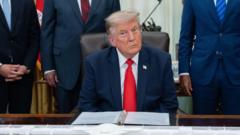
Trump Administration Shifts Stance on AI Governance
The Trump administration is actively evaluating potential Trump AI controls and regulatory frameworks following recent security incidents involving OpenAI. This marks a significant departure from the administration's traditionally deregulatory approach to artificial intelligence technology, signaling growing concerns about cybersecurity vulnerabilities within the sector.
Understanding the Recent Security Incidents
The hacking incidents targeting OpenAI have prompted immediate reassessment of how government oversight could be strengthened within the artificial intelligence industry. These breaches have exposed potential weaknesses in data protection protocols and network security measures that major AI companies maintain. Administration officials are now considering what role federal intervention might play in establishing baseline security standards across the sector.
Policy Reversal on Technology Regulation
Previously, the Trump administration maintained a distinctly hands-off regulatory philosophy toward emerging technologies, including artificial intelligence. However, the recent security compromises have forced policymakers to reconsider this approach. The administration is now exploring mechanisms through which Trump AI controls could be implemented without stifling innovation or burdening private sector development.
Balancing Innovation with Security
Administration officials must navigate the delicate balance between protecting national security interests and maintaining the competitive advantages that have made American AI companies global leaders. Policymakers recognize that excessive regulation could drive development overseas, while insufficient oversight leaves critical infrastructure and sensitive information vulnerable to exploitation.
Industry Response to Potential Regulations
Major technology firms are watching these developments closely, recognizing that any new regulatory framework could reshape how they operate. The prospect of formalized Trump AI controls has sparked discussions within Silicon Valley about voluntary compliance measures and industry-wide security standards that might preempt government intervention.
Corporate Self-Regulation Initiatives
Some companies are proposing comprehensive security audits and third-party certifications as alternatives to formal regulation. These initiatives aim to demonstrate that the private sector can effectively police itself while maintaining transparency with government agencies responsible for national security and public protection.
Federal Cybersecurity Framework Expansion
The administration is examining how existing federal cybersecurity frameworks could be adapted to address artificial intelligence-specific vulnerabilities. This includes potential requirements for security assessments, incident reporting, and data protection protocols tailored to the unique characteristics of AI systems and the companies developing them.
Interagency Coordination
Multiple federal agencies including the Department of Defense, National Security Agency, and Department of Commerce are collaborating to develop comprehensive recommendations. These agencies recognize that artificial intelligence represents both unprecedented opportunity and significant national security risk requiring coordinated governmental response.
Timeline and Implementation Considerations
While specific implementation timelines remain unclear, administration officials indicate that any regulatory proposals could emerge within the coming months. The government must conduct thorough analysis to ensure that Trump AI controls effectively address security concerns while allowing legitimate business operations to proceed unimpeded.
Broader Implications for AI Development
This policy shift could influence international perceptions of American commitment to artificial intelligence governance. Other nations, including the European Union and China, are developing their own regulatory approaches, and American policy decisions may either complement or conflict with these emerging international frameworks.
The administration's reconsideration of its technology stance demonstrates how immediate security threats can override ideological preferences regarding government involvement in private enterprise. As artificial intelligence continues growing in significance across economic, military, and social domains, the question of appropriate federal oversight will likely intensify rather than fade from policy discussions.