UK Supreme Court to Review Palestine Action Ban Ruling
The UK Supreme Court grants Palestine Action co-founder leave to appeal the government's proscription under anti-terrorism legislation, challenging the ban imposed on the activist group.
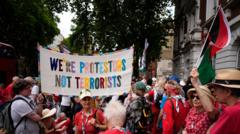
Supreme Court Grants Leave to Appeal Palestine Action Ban
The UK's Supreme Court has approved a significant legal challenge to the Palestine Action ban, granting the group's co-founder permission to appeal against the government's proscription under anti-terrorism legislation. This landmark decision sets the stage for a comprehensive judicial review of the controversial ban that has sparked considerable debate within civil liberties circles and among supporters of Palestinian causes.
Background to the Palestine Action Proscription
Palestine Action, an activist group focused on Palestinian rights and opposing Israeli military operations, faced government proscription under the UK's anti-terrorism legal framework. The Palestine Action ban represented a significant escalation in the government's enforcement of counter-terrorism measures, drawing criticism from human rights advocates who questioned whether the designation was proportionate or justified under existing legislation.
The Legal Challenge Process
The co-founder's application for leave to appeal indicates that the legal team representing the Palestine Action group has successfully convinced the Supreme Court that their case raises questions of sufficient public importance to warrant judicial scrutiny. This approval allows the case to proceed to a full hearing before the UK's highest court, where judges will examine the lawfulness of the proscription decision and the government's application of anti-terrorism legislation to the organization.
Implications for Anti-Terrorism Legislation
The Palestine Action ban review carries broader implications for how the UK's anti-terrorism laws are applied and interpreted. Legal experts suggest that the Supreme Court's examination of this case could establish important precedents regarding the threshold for proscribing activist groups under counter-terrorism frameworks. The proceedings will likely explore questions about free speech, assembly rights, and the proportionality of designating protest organizations as terrorist entities.
Controversy Surrounding the Ban
Since the Palestine Action proscription took effect, the ban has remained controversial among civil liberties organizations and campaign groups. Critics argue that the designation conflates legitimate political activism with terrorism and may infringe upon fundamental rights of expression and assembly. Supporters of the ban, however, contend that the group engaged in activities that justified the proscription under existing terrorism legislation.
Supreme Court's Role in Review
The UK Supreme Court's decision to grant leave to appeal means judges will now consider whether the government acted lawfully in imposing the Palestine Action ban. The court's examination will likely focus on whether sufficient evidence supported the proscription, whether the decision followed proper legal procedures, and whether the ban represents a proportionate response under anti-terrorism legislation. This judicial review process is essential for ensuring that counter-terrorism powers are applied consistently with the rule of law.
What Comes Next
With the Supreme Court's approval granted, the Palestine Action ban case will proceed to a full hearing where both the government and the group's representatives will present their arguments. The court will then deliver judgment on whether the proscription should stand, be overturned, or be modified. This decision could have significant consequences for other activist organizations and how governments apply anti-terrorism designations to protest movements.
The Supreme Court's intervention in the Palestine Action ban dispute underscores the judiciary's important role in scrutinizing executive decisions, particularly those affecting civil liberties and political expression. As the case progresses through the legal system, it will provide insights into how the UK's legal framework balances national security concerns with fundamental rights protections.