US Delegation Walks Out During UN Security Council Meeting on Human Rights Commissioner
The United States walked out of a UN Security Council meeting as France spoke, following a contentious vote on extending the term of the UN high commissioner for human rights.
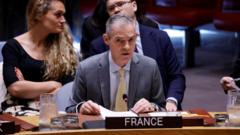
US Delegation Exits UN Security Council During France's Statement
A significant diplomatic incident unfolded at the United Nations when the American delegation departed from a Security Council meeting while France was delivering remarks. The confrontation highlighted growing tensions within the international body and raised questions about coordinated positions among permanent members on critical humanitarian issues. The UN Security Council meeting became the focal point of a broader disagreement regarding the extension of the position held by the UN high commissioner for human rights.
The Voting Dispute That Triggered the Walkout
The underlying cause of the walkout centered on a contentious vote concerning the renewal of the UN high commissioner for human rights mandate. The United States aligned itself with North Korea and Russia in opposing the extension, creating an unusual coalition that surprised observers of international affairs. This voting pattern demonstrated divergent perspectives within the Security Council regarding human rights governance and accountability mechanisms at the global level.
International Implications of the Vote
The decision by the US delegation to vote against the extension represented a notable shift in how Washington approaches human rights advocacy within multilateral organizations. By joining North Korea and Russia in opposition, the United States positioned itself outside the consensus that many other nations sought to establish. This alignment raised eyebrows among diplomatic circles and prompted scrutiny regarding American foreign policy priorities at the United Nations.
France's Role and Remarks
France's statements during the Security Council meeting apparently addressed the implications of the voting results and the broader implications for human rights protection mechanisms. The French delegation's position underscored the divide between Western allies on fundamental questions of international governance. The departure of the US delegation during France's remarks symbolized the depth of disagreement on this particular matter.
Context of UN Human Rights Commissioner Position
The UN high commissioner for human rights represents one of the organization's most significant roles, overseeing investigations into alleged violations and promoting global standards for human rights protection. Extensions of this mandate require agreement among Security Council members, making the voting process politically charged. The commissioner's work touches on sensitive geopolitical issues affecting multiple nations, which explains why such votes become contentious affairs.
Diplomatic Tensions and Future Relations
The walkout during the UN Security Council meeting exemplified the escalating diplomatic tensions within the organization. Such public departures send strong messages about disagreement and can damage relationships between traditionally allied nations. The incident raised questions about how the United States intends to navigate its role as a permanent member of the Security Council in future deliberations on human rights matters.
Broader Context of UN Dysfunction
This event occurred within the larger context of increasing Security Council paralysis on major global issues. The UN Security Council meeting demonstrated how even procedural matters can become flashpoints for larger geopolitical disagreements. The fact that the United States voted alongside Russia and North Korea highlighted how unlikely coalitions can form when nations prioritize specific interests over broader partnerships.
Reactions from the International Community
The walkout and voting pattern prompted reactions from various nations and human rights organizations. Many observers expressed concern about the implications for the independence and effectiveness of the UN high commissioner for human rights. The incident served as a reminder of the challenges facing multilateral institutions in maintaining consensus on fundamental values.
Looking Forward
The repercussions of this UN Security Council meeting are likely to extend beyond the immediate moment. The walkout signals potential friction in future deliberations and may complicate efforts to build coalitions on other pressing international matters. Understanding the motivations behind the United States' position and its decision to walk out remains crucial for analysts monitoring global diplomatic developments and the future effectiveness of international human rights mechanisms.